The dust has finally settled in Rabat, and the 35th edition of the Africa Cup of Nations (AFCON 2025) has come to a breathtaking, if not controversial, conclusion. For four weeks, the continent was treated to a masterclass in defensive grit, tactical discipline, and the raw emotion that only African football can provide.
As the Lions of Teranga celebrate their second continental title and the Atlas Lions rue a missed opportunity at home, it’s time to look back at the tournament that was and what it means for the nine African nations heading to the 2026 FIFA World Cup.
The Climax: A Final for the Ages
The final between Senegal and Morocco was a tactical chess match that exploded into chaos. Senegal emerged as 1-0 winners after extra time, thanks to a clinical strike by Pape Gueye.
However, the game will be etched in history for its high-stakes drama:
- The Protest: Senegal briefly walked off the pitch in stoppage time after a controversial VAR-awarded penalty for Morocco.
- The Heartbreak: Morocco’s Brahim Diaz attempted an audacious Panenka penalty in the 98th minute that could have won it for the hosts, only for it to be comfortably saved by Edouard Mendy.
- The Resilience: Despite the pressure of a hostile home crowd, Senegal proved why they are the most consistent force on the continent right now.
The Disappointments & Expectations
Every AFCON has its “what if” stories. For Morocco, the disappointment is profound. Hosting a tournament with a “Golden Generation” and the 2025 African Player of the Year, Achraf Hakimi, anything less than the trophy felt like a failure. Their 50-year wait for a second title continues.
Nigeria’s Super Eagles also faced a bittersweet end. Despite boasting the tournament’s most lethal attack—led by Victor Osimhen and Ademola Lookman—and scoring a massive 14 goals, they fell to Morocco in a semi-final penalty shootout. While they secured the bronze medal by beating Egypt, the expectation was clearly the trophy.
Key Learnings from AFCON 2025
The tournament offered several vital takeaways for the growth of the game:
- The Rise of the Local Coach: For the first time since 1965, all four semi-finalists were led by African coaches. This shift away from European “journeymen” shows a growing trust in home-grown tactical intelligence.
- Infrastructure is King: Morocco’s world-class facilities set a new gold standard for the tournament. High-quality pitches led to “slicker” football, though some critics argued it made the games more predictable and less “chaotic” than previous editions.
- Defensive Discipline Wins Titles: In a tournament where Nigeria had the stars, Senegal had the structure. The “Teranga Lions” conceded very little, proving that in knockout football, a solid backline is more valuable than a flashy front three.
The Way Forward: World Cup 2026 Prep
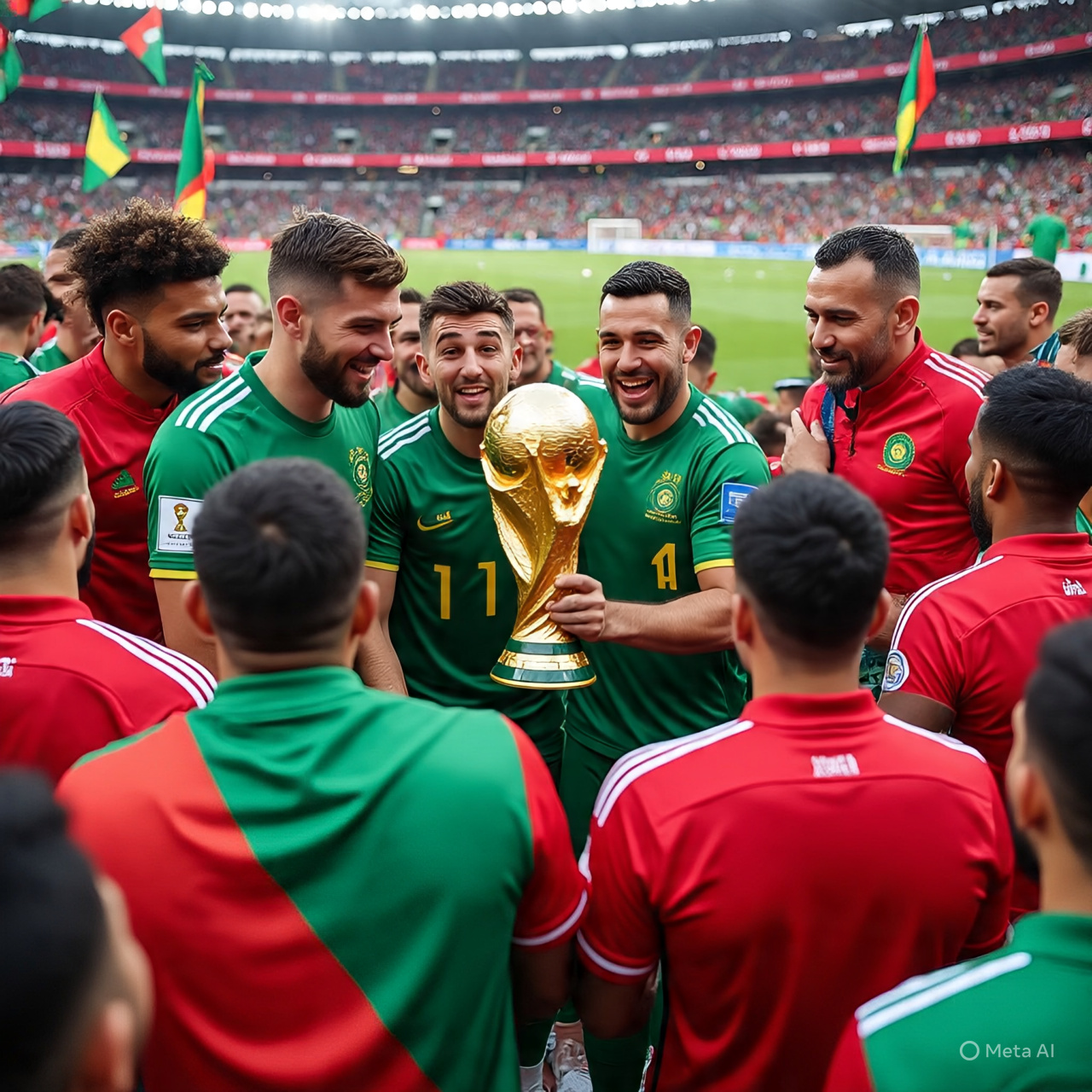
With the 2026 World Cup featuring a historic nine African teams, AFCON 2025 served as the ultimate dress rehearsal.
- Qualified Giants: Morocco, Senegal, Egypt, Algeria, Tunisia, Ivory Coast, South Africa, and Ghana have already booked their spots.
- The Mission: After Morocco’s historic semi-final run in Qatar 2022, the bar has been raised. African teams are no longer just happy to participate; they are expected to compete.
- Tactical Refinement: Teams like South Africa (who used a core of locally-based players) and Senegal (with their European-based tactical discipline) show two different but successful paths for the continent.
The Roadmap
To make an impact in North America, African FAs must prioritize:
- Seamless Logistics: Avoiding the “bonus row” distractions that have plagued previous campaigns.
- Global Scouting: Continuing to integrate dual-nationality players who have been honed in elite European academies.
- Consistent Friendlies: Utilizing the FIFA windows between now and June 2026 to test their systems against non-African opposition.
What was your standout moment of AFCON 2025? Do you think an African team can reach the World Cup final in 2026? Let’s discuss in the comments!