
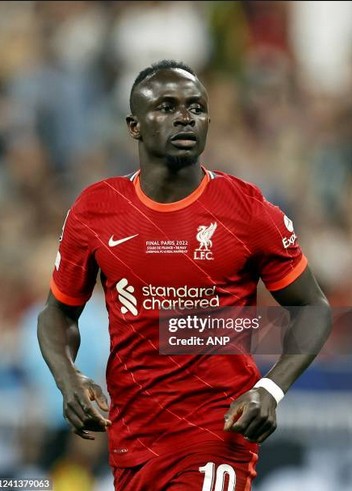
The Mané Effect and the Night Africa Held Its Breath
The scoreboard at the Prince Moulay Abdellah Stadium will forever read Senegal 1, Morocco 0. But history will remember last night for a moment that had nothing to do with the back of the net. It will remember the moment Sadio Mané saved African football from itself.
The Flashpoint: 17 Minutes of Chaos
In the 98th minute of a grueling final, the air was sucked out of the stadium. A controversial penalty was awarded to the hosts, Morocco. The Senegalese bench erupted. In a moment of high-octane emotion, head coach Pape Thiaw ordered his team to walk off the pitch.
The final—and Africa’s reputation on the world stage—was on the verge of collapse.
While teammates and staff headed for the tunnel, Sadio Mané stood his ground. He didn’t just stay on the field; he went into the dressing room, looked his brothers in the eye, and brought them back. He chose to play. He chose to respect the game, even when he felt the game wasn’t being fair to him.
What Last Night Revealed About Mané
We have always known Sadio is a world-class talent, but last night proved he is a world-class leader. Here is what the “Mané Effect” truly looks like:
- Composure Over Chaos: While others were blinded by the “heat of the moment,” Mané saw the bigger picture. He famously said after the game, “I’d rather lose than have this kind of thing happen to our football.” He prioritized the integrity of the sport over his own anger.
- The Power of Influence: When Mané speaks, Senegal listens. It took 17 minutes of tension, but his authority was the bridge that brought the team back. Without him, Senegal might have faced years of CAF sanctions; with him, they are continental champions.
- The “Elder Statesman” Growth: This wasn’t the explosive winger of 2019. This was a 33-year-old Player of the Tournament who knew that his presence alone—calm, focused, and unshakeable—would unsettle Morocco.
The Lessons: What We Must Emulate
As African football looks toward the 2026 World Cup, the Mané Effect provides a blueprint for every player and federation on the continent:
- Emotional Intelligence (EQ) is as Vital as Skill: Morocco’s Brahim Diaz is technically gifted, but he missed the subsequent penalty after the delay. Mané’s ability to keep his team mentally “in the game” while the world was watching is the difference between winners and losers.
- Respect the Brand: Mané understood that with the world watching, a walk-off would damage the “brand” of African football. To be global giants, we must act like them, even when the officiating is questionable.
- Mentorship: Mané spent the tournament “handing over” to the next generation—Pape Gueye, Lamine Camara, and Nicolas Jackson. He didn’t hog the spotlight; he created the environment for them to shine.
The Final Roar?
After the match, Mané hinted that this might be his final AFCON. If it is, he leaves not just with a trophy and an MVP award, but with the greatest legacy possible: He showed us how to lead with dignity.
As we prepare for the 2026 World Cup, the African continent doesn’t just need more goalscorers; we need more Sadio Manés. Leaders who understand that the name on the front of the jersey is always more important than the grievance in their hearts.