
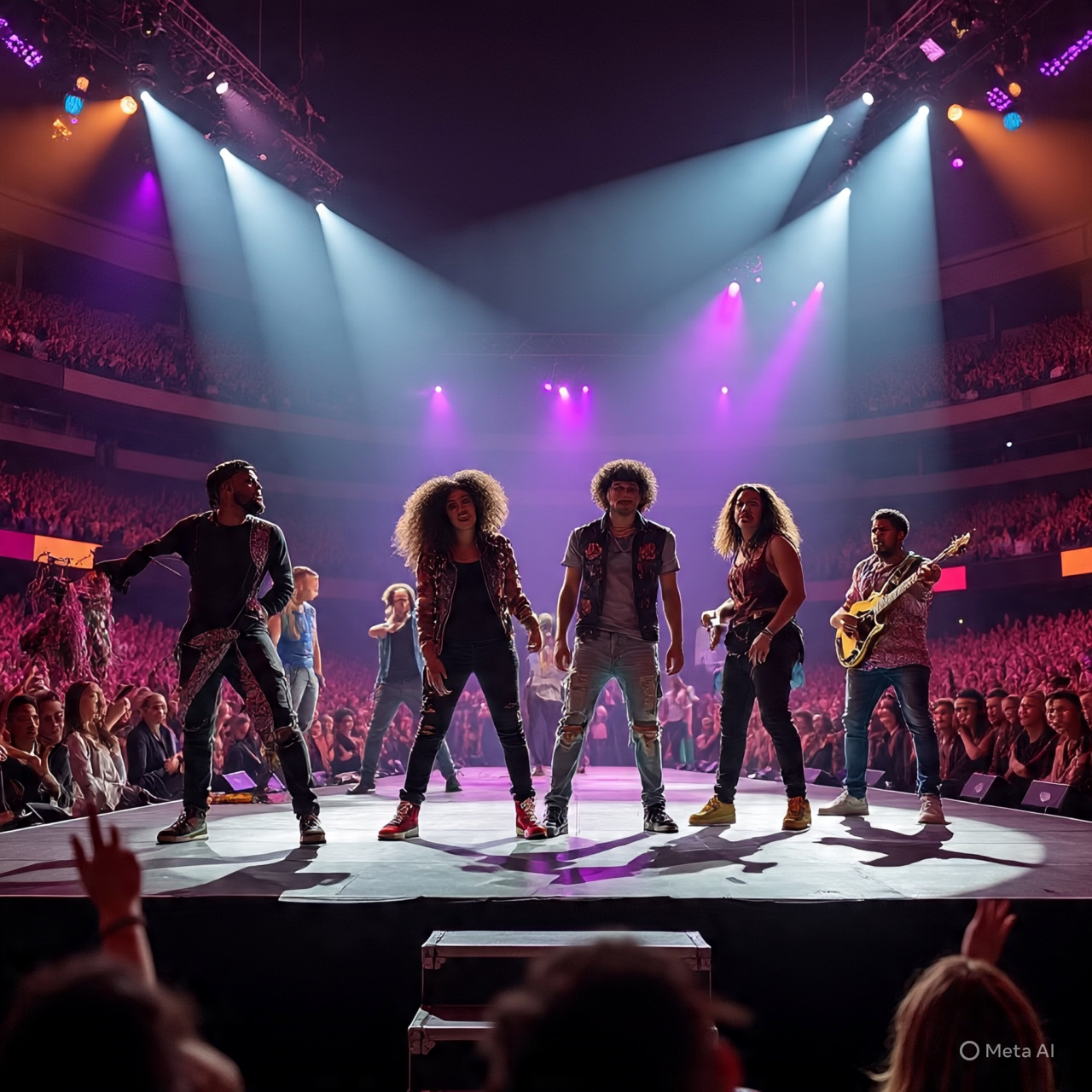
Getting a slot on a stage as massive as the Africa Cup of Nations (AFCON) is the equivalent of a “Super Bowl moment” for African artists. It isn’t just about having a hit song; it’s a high-stakes mix of diplomacy, corporate alignment, and elite-level management.
Here is a professional breakdown of how artists lobby for and secure these global opportunities.
From the Studio to the Stadium: How Artists Land AFCON-Sized Stages
The confetti has settled on the pitch, and while the players take home the trophies, the artists who performed take home something just as valuable: global visibility. But how does a name move from a Spotify playlist to a stadium with millions watching?
It isn’t a “job application” process; it’s a strategic long game. Here is the step-by-step procedure.
1. The Power of the “LOC” and CAF Relationship
The two main gatekeepers for AFCON are CAF (Confederation of African Football) and the LOC (Local Organising Committee) of the host country.
- The Strategy: Artists often lobby the Ministry of Sports or Culture in the host nation. Governments want to showcase national pride, so they prioritize “Homegrown Heroes” who have international appeal.
- The Move: Top-tier management teams maintain year-round relationships with CAF’s marketing department and the agencies hired to produce the opening/closing ceremonies.
2. Corporate Sponsorship Alignment
Major tournaments are fueled by sponsors (like TotalEnergies, Orange, or Visa).
- The Secret: If an artist is already a Brand Ambassador for a lead sponsor, their path to the stage is 50% shorter. Sponsors have “activation rights,” meaning they can often negotiate for their ambassadors to be part of the official entertainment lineup.
3. The “Official Anthem” Pipeline
CAF often commissions an official song for the tournament (like Akwaba for 2023 or the 2025 official album).
- The Procedure: Record labels and publishers pitch their artists to the music producers selected by CAF to curate the anthem. Being featured on the official track almost guarantees a performance slot at the opening ceremony.
4. Demonstrating “Broadcast Readiness”
Performing at AFCON is a massive technical undertaking. Organizers don’t just look for talent; they look for reliability.
- What it takes: Artists must prove they can handle “Time-Code” performances—where every second is synced to TV broadcast lights, pyrotechnics, and cameras.
- The Portfolio: Managers submit “Sizzle Reels” of the artist performing at other high-pressure events (Global Citizen, MTV VMAs, or sold-out arena tours) to prove the artist won’t buckle under the pressure of a live global broadcast.
Step-by-Step: The Professional Lobbying Process
If you are an artist or manager aiming for the next big tournament, follow this professional roadmap:
| Step | Action Item | Goal |
| 1. Preparation | Audit your digital footprint and live performance footage. | Ensure you look “Global Stage Ready.” |
| 2. Networking | Connect with the Sports Marketing Agencies (e.g., Lagardère Sports or IMG) that handle CAF’s commercial rights. | Get on the “Shortlist” for future events. |
| 3. The Pitch | Submit a professional EPK (Electronic Press Kit) specifically tailored to the tournament’s theme. | Show how your brand aligns with the “Spirit of Africa.” |
| 4. Direct Lobby | Engage the host country’s Ministry of Culture 12–18 months before the tournament. | Position yourself as a “Cultural Ambassador.” |
| 5. Technical Review | Once shortlisted, your technical rider (sound/lighting needs) is vetted by the event production team. | Confirm the performance is logistically feasible. |
What It Really Takes: The “Invisible” Requirements
- Clean Brand Image: Major sporting bodies are risk-averse. Any recent scandals can disqualify an artist instantly.
- Pan-African Appeal: AFCON is for the whole continent. Artists who have collaborated across borders (e.g., a Nigerian artist featuring a Francophone star) are much more attractive to CAF.
- The “Hustle”: It often takes months of back-and-forth negotiations regarding fees, travel for large dance troupes, and intellectual property rights for the broadcast.