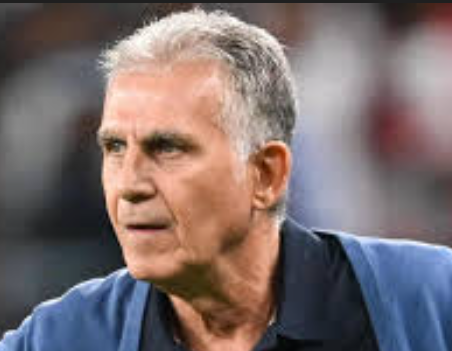
The Black Stars of Ghana have entered a high-stakes new era. Just months away from the 2026 FIFA World Cup, the Ghana Football Association (GFA) has parted ways with Otto Addo and turned to a man who is practically a World Cup institution: Carlos Queiroz.
Here is the breakdown of why this legendary Portuguese manager is taking the reins, the philosophy he brings, and what it means for the current crop of Ghanaian talent.
🏟️ The Man, The Myth: Who is Carlos Queiroz?
Carlos Queiroz isn’t just a coach; he’s a tactical architect. Born in Mozambique, he has a deep-rooted connection to African soil, but his reputation was built in Europe.
- The Architect of Gold: He is famously the man who developed Portugal’s “Golden Generation” (Figo, Rui Costa), winning back-to-back U-20 World Cups.
- The Global Nomad: His CV is a “who’s who” of world football: Real Madrid, Manchester United (as Sir Alex Ferguson’s trusted right hand), Portugal, South Africa, Egypt, and most notably, Iran—whom he led to three consecutive World Cups.
- Philosophy: Queiroz is a pragmatist. He prioritizes defensive solidity, structural discipline, and lethal counter-attacks. He doesn’t believe in “beautiful losing”; he believes in winning through organization.
⚖️ The Verdict: Is He the Right Fit?
Why He Should Lead
- Tournament Pedigree: With the 2026 World Cup in the USA, Mexico, and Canada looming, Ghana needs a “closer.” Queiroz has qualified for and managed in more World Cups than almost any active coach.
- Discipline: The Black Stars have often been criticized for defensive lapses and lack of tactical focus. Queiroz’s “Mission First” approach is exactly the medicine for a team that sometimes loses its shape under pressure.
The Risks
- Short-Termism: His contract is a four-month “interim” deal. This can create a “rent-a-coach” atmosphere where long-term development is sacrificed for immediate results.
- Clash of Styles: Ghana’s footballing DNA is historically expressive and rhythmic. Queiroz’s rigid, defensive-first system can sometimes feel like a straitjacket for creative players.
🇬🇭 The Calibre: Does the Style Fit the Stars?
The current Black Stars roster is arguably the most balanced it has been in a decade, but Queiroz will have to be careful with how he deploys them:
- The Engine Room: With Thomas Partey (Villarreal) and Mohammed Kudus (Tottenham), Ghana has world-class technical ability. Queiroz will likely use Partey as the “shield” and Kudus as the “transition spark.”
- The Speed Merchants: Antoine Semenyo (Man City) and Iñaki Williams (Athletic Club) are built for the Queiroz system. They are hardworking, physical, and excel in the counter-attacking style Queiroz loves.
- The Fit: The style fits the defense and the wingers perfectly. However, the challenge will be ensuring Kudus isn’t “over-defending,” which could sap the creative energy Ghana needs to score.
🔮 The New Guard: Who Will He Call Up?
Queiroz is known for scouting “dual-national” talents and disciplined defenders. Expect him to look at:
- Patric Pfeiffer (Defender): A towering presence who provides the height and aerial dominance Queiroz demands in his backline.
- Ibrahim Sulemana: The Villarreal youngster offers the high-intensity pressing and tactical discipline that fits the “Queiroz Way” of closing down spaces.
- Christopher Bonsu Baah: A wildcard talent whose pace could be a devastating weapon off the bench in a counter-attacking setup.
📝 Closing Thoughts
The appointment of Carlos Queiroz is a clear signal: Ghana is not going to the 2026 World Cup just to participate; they are going there to be hard to beat. While the departure of Otto Addo marks the end of a “developmental” project, the arrival of Queiroz marks the beginning of a “results” project. If the players buy into his disciplined, tactical masterclasses, the Black Stars could be the biggest giant-killers of the summer.
What do you think? Is Queiroz the tactical genius we need, or is his style too defensive for the Ghanaian soul?