
Date: January 22, 2026
Topic: AFCON 2025 Final Retrospective
Match: Senegal 1 – 0 Morocco (AET)
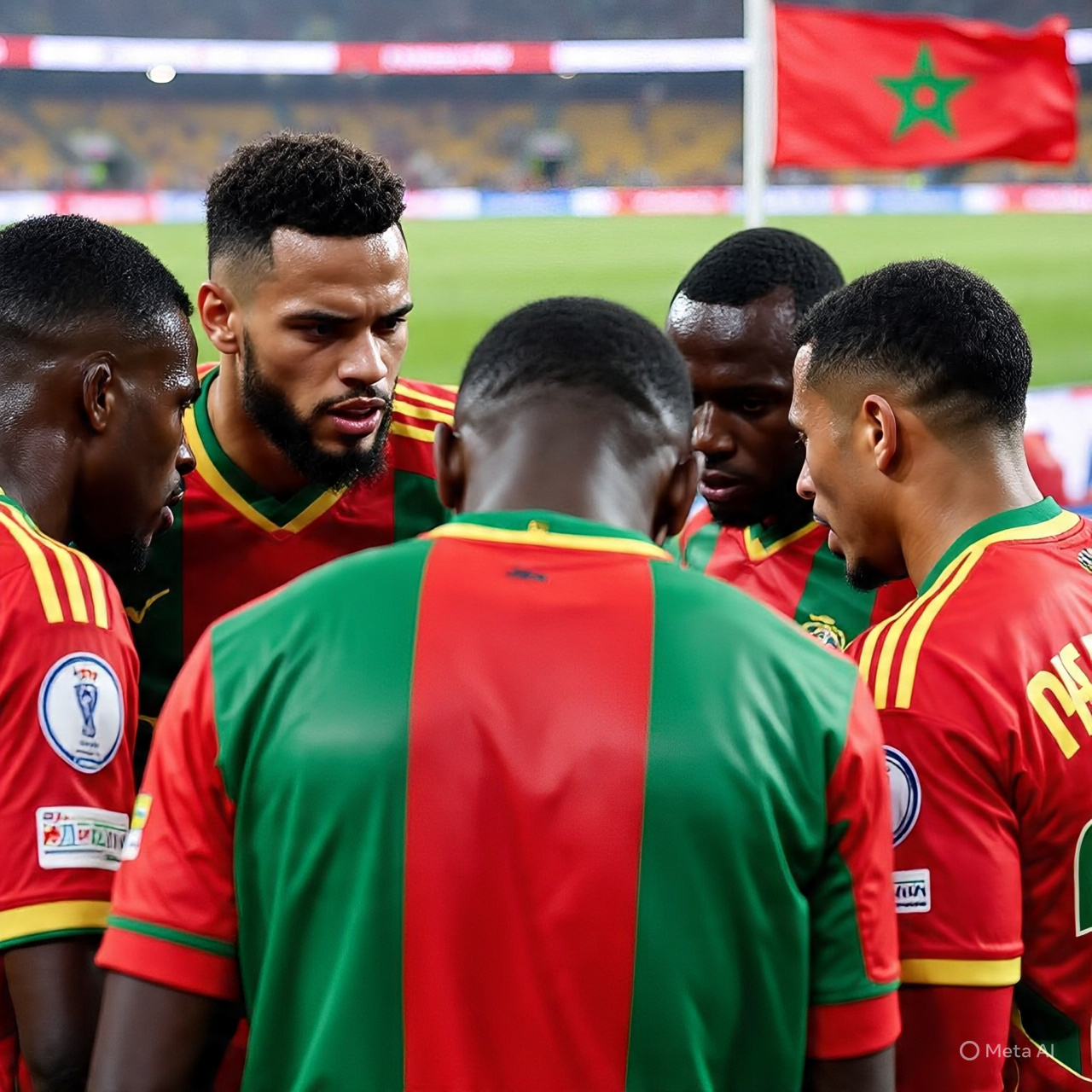
The dust has settled on the Prince Moulay Abdellah Stadium in Rabat, but the conversations are only getting louder. Sunday’s AFCON final was meant to be a coronation for the Atlas Lions on home soil. Instead, it became a night of chaos, controversy, and a penalty kick that will be replayed for decades.
As Morocco wakes up to a somber reality, we look at the aftermath from four distinct perspectives: the emotional toll on the fans, the analytical breakdown of that penalty, the chaotic officiating, and the path forward.
1. The Pulse of the Nation: Silence in Rabat
Angle: The Emotional Aftermath
For 50 years, Morocco has waited for a second African title. Sunday was supposed to be the end of the drought. The atmosphere in Rabat was electric, a sea of red and green that felt more like a movement than a fanbase. But today, the mood in the cafes of Casablanca and the souks of Marrakech is one of stunned silence.
The pain isn’t just about losing; it is about how they lost. To be one kick away from glory—literally—and then to see the trophy slip away in extra time is a specific kind of sporting cruelty. The “what if” is agonizing. The feeling on the ground is less anger and more profound hollow sadness. This was their party, their stadium, and their moment. To see the Senegalese players sprinting in celebration on Moroccan turf was a visceral blow to a nation that had invested everything, emotionally and financially, into this tournament.
2. The Punditry: The Audacity of the “Panenka”
Angle: Tactical & Psychological Analysis
The moment that defined the final—and perhaps Brahim Díaz’s international career—was the penalty in the 98th minute. The decision to attempt a “Panenka” (a soft chip down the center) in a moment of such suffocating pressure has split the footballing world.
Pundits have been ruthless. Former French international Jérôme Rothen led the charge, calling the attempt “disrespectful” and accusing Díaz of trying to “humiliate” Senegal rather than simply winning the game. The consensus among analysts is that the Panenka is a high-reward, catastrophe-risk option. When it works (like Hakimi in 2022), it is genius; when it fails, it looks arrogant.
Édouard Mendy, the Senegal goalkeeper, deserves immense credit. He didn’t bite. He stood his ground, creating an image that will haunt Moroccan nightmares: the ball floating gently into the chest of a grateful keeper. In the eyes of the pundits, Díaz prioritized aesthetics over efficiency, a cardinal sin in a cup final.
3. The Controversy: Chaos and the Walk-Off
Angle: The Officiating & Sportsmanship Debate
Before the penalty was even taken, the match descended into farce. The 15-minute delay caused by Senegal’s players walking off the pitch in protest of the penalty decision is a major talking point.
From a neutral perspective, it was an ugly scene for African football. The optics of a team refusing to play, creating a massive stoppage in a global broadcast, were damaging. However, many sympathizers argue that the officiating leading up to the penalty—a VAR review for a shirt pull that many felt was soft—pushed Senegal to the breaking point.
The debate now raging is whether the long delay “iced” Díaz. Did the 15-minute wait destroy his rhythm? Did Senegal’s “chaos strategy” actually work? While the walk-off was condemned as unsportsmanlike by Morocco’s coach Walid Regragui, it undeniably shifted the psychological momentum of the match.
4. The Future: Trust the Process?
Angle: The Long-Term View
Amidst the tears and the finger-pointing, there is a rational angle that needs to be heard: Morocco is still an African superpower.
Under Walid Regragui, this team reached a World Cup semi-final and an AFCON final. While the lack of silverware is frustrating, the consistency is undeniable. The “Red & Green” project is working. The infrastructure is world-class, the talent pipeline is overflowing, and the style of play is dominant.
The danger now is a knee-jerk reaction. Calling for mass resignations or tearing up the script because of one missed penalty would be a mistake. The narrative moving forward must be one of resilience. As Regragui noted in his post-match presser, “Great teams suffer, but they come back.” The World Cup is on the horizon, and Morocco has a score to settle.