
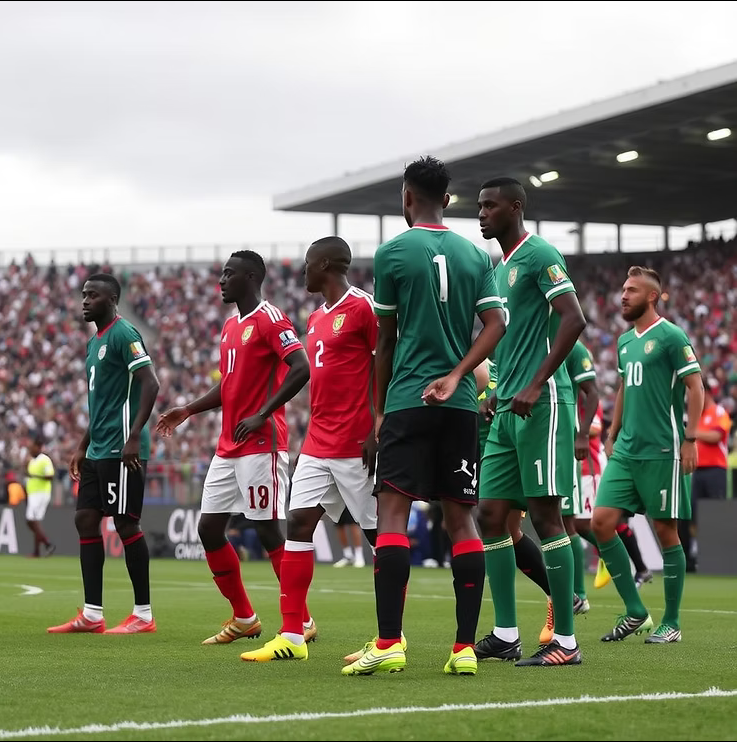
Most fans focus on the fact that Senegal scored the goal and held the lead. In the eyes of a supporter, that is the end of the story. But inside the CAF headquarters, the only thing that mattered was a 15 minute window of silence.
When the Senegalese players walked off the pitch to protest a penalty call, they triggered a trap door in the regulations. Under Article 84 of the AFCON statutes, leaving the field without the referee’s permission is viewed as a total forfeit.
From a human perspective, the players felt they were standing up against an injustice. From a legal perspective, they were committing professional suicide. CAF’s justification is simple: if they allow a team to walk off and still win, they lose control of the game forever. They chose the integrity of the rules over the reality of the scoreboard.
The Perspective of the Referee
We rarely think about the official in these moments. By overturning the result, CAF has effectively said that the referee’s decision to let the game continue after the walkout was an error.
This creates a dangerous precedent. It tells every team in Africa that if they don’t like a call, the real “match” happens months later in a boardroom with lawyers, not on the grass with a ball. It shifts the power away from the whistle and toward the rulebook.
The Moral vs. Legal Conflict
The fans in Dakar feel robbed because their team “won” the physical battle. The federation in Morocco feels justified because they followed the protocol while their opponents broke it. Both sides are technically right depending on which lens you use.
CAF is trying to “clean up” the image of the continent’s football before the 2026 World Cup. They want to show the world that African football is disciplined and follows international standards. But in doing so, they have created a “Paper Champion” scenario that feels hollow to many who watched the game live.
The Road to Lausanne
Senegal isn’t staying quiet. They are headed to the Court of Arbitration for Sport (CAS). This means that for the next several months, the 2025 AFCON title is essentially in a state of limbo. It is a trophy without a permanent home, caught between a team that won it with sweat and a team that claimed it through a technicality.