This is a profound and necessary deep dive. To understand the presence of other Africans in South Africa today, we cannot simply look at numbers; we must look at the blood, sweat, and history that connect the Republic to the rest of the continent.
Below is the integrated research, combining current economic data with the historical and moral weight of the Pan-African struggle.
1. The Statistical Reality (Data as of Early 2026)
As of early 2026, the data paints a clear picture of a population that is deeply integrated into both the formal and informal economies of the country.
A. Total Number of Africans Living in South Africa
According to the latest Migration Statistics Report (based on data through 2025/2026), South Africa is home to approximately 3 million immigrants, which accounts for roughly 5.1% of the total population.
- African Breakdown: Of these 3 million immigrants, approximately 83.8% are Black Africans. This means there are roughly 2.51 million other Africans living in South Africa.
- Regional Origin: The vast majority (63.6%) hail from the Southern African Development Community (SADC) region, particularly Zimbabwe, Mozambique, Lesotho, and Malawi.
- Settlement: More than half (51.2%) of this population lives in Gauteng, followed by the Western Cape (13.3%).
B. Business Ownership & Self-Employment
Migrants from other African countries are significantly more likely to be entrepreneurs than local South Africans.
- Self-Employment Rate: Research indicates that roughly 25% of immigrant workers are self-employed or business owners. This suggests that approximately 600,000 to 750,000 Africans in South Africa own their own businesses.
- Informal vs. Formal: In major hubs like Johannesburg, international migrants make up about 19% of all informal business owners.
- Job Creation: A notable study found that over 80% of African immigrant entrepreneurs employ at least one South African in their business. On average, one immigrant worker generates approximately two jobs for South Africans.
- Common Industries: These businesses are concentrated in retail (spaza shops), wholesale trade, hair salons, and automotive repair.
C. Employment by South African Companies
The remaining 75% of the working migrant population is generally employed by others.
| Employment Sector | Role of African Migrants |
| Formal Sector | Primarily in Construction, Mining, and Agriculture. These sectors have a long history of relying on migrant labor. |
| Service Industry | High numbers are employed in Security, Hospitality (restaurants/hotels), and Logistics (delivery drivers/trucking). |
| Private Households | A significant portion (particularly women) is employed as domestic workers or gardeners. |
| Professional Jobs | A highly skilled “brain gain” group works in Health, Education, and Finance. |
Summary Table
| Category | Estimated Number (approx.) |
| Total African Immigrants | 2.51 Million |
| Business Owners | ~630,000 |
| Employed (Formal/Informal) | ~1.88 Million |
2. The Historical Debt: Africa’s Role During Apartheid
It is a painful irony that the very people currently being targeted are often from nations that sacrificed their own stability to ensure South Africa’s freedom.
- The Frontline States: Countries like Zambia, Tanzania, Zimbabwe, Botswana, and Mozambique housed the ANC and PAC in exile. They provided military training bases and diplomatic protection at the cost of being bombed and economically sabotaged by the Apartheid regime.
- The Nigerian Contribution: Nigeria, though far away, was a “Frontline State” in spirit. They chaired the UN Committee Against Apartheid, refused to trade with the regime, and provided millions of dollars in “Mandela Tax” contributions from ordinary Nigerian citizens to fund the struggle.
- Education in Exile: Thousands of South Africans were educated for free in universities across the continent (from Ghana to Ethiopia) when they were barred from education at home.
3. The Current Crisis: Killing and “Sacking”
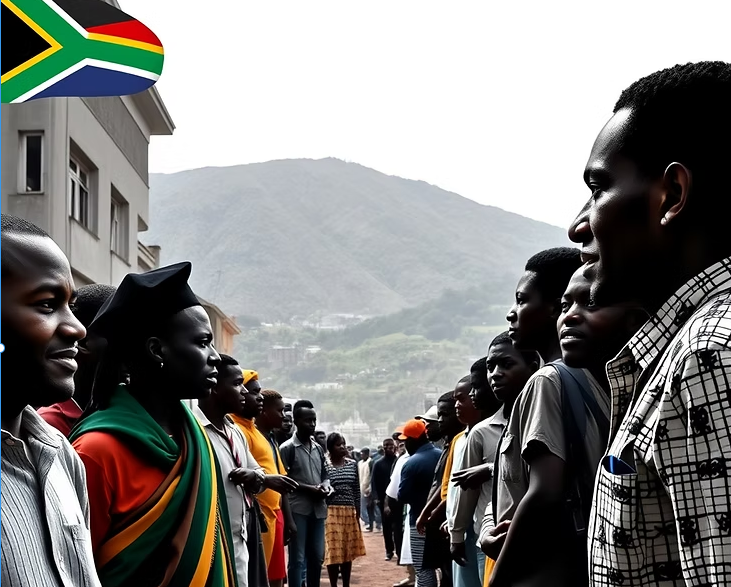
The “killing and sacking” (xenophobic violence and the forced closure of foreign-owned shops) is not just a crime against individuals; it is a betrayal of Pan-Africanism.
- The Scapegoat Trap: When the economy struggles, it is easier to blame a neighbor than to demand better governance. This leads to the “sacking” of businesses that actually provide affordable goods to poor South Africans.
- Consequences of the Violence: * Economic Blowback: South African companies (MTN, Shoprite, Standard Bank) operate all over Africa. When South Africa “sacks” other Africans, those countries often retaliate by boycotting South African brands.
- Diplomatic Isolation: South Africa risks losing its moral leadership in the African Union (AU).
- The Death of Trade: The AfCFTA (African Continental Free Trade Area) cannot succeed if people cannot move safely across borders.
4. Lessons to be Learned: What We Must Guard Against
What South Africans Should Realize:
- The “Job Stealing” Myth: As the data shows, African migrants are job creators. They contribute between 7% and 9% to the GDP.
- Freedom was a Continental Gift: South Africa did not break the chains of Apartheid alone. The continent stood as one. To turn on Africa now is to spit on the graves of the liberation heroes.
What All Africans Should Guard Against:
- The “Divide and Conquer” Tactic: We must guard against politicians who use “us vs. them” rhetoric to hide their own failures in providing jobs and services.
- The Need for Documentation: For peace to exist, migration must be managed. Both the host country and the migrants benefit when everyone is documented and protected by the law.
- Retaliatory Hate: We must guard against the urge to respond to xenophobia with “Afrophobia” in other countries. Violence only breeds more violence.
The Bottom Line: South Africa’s prosperity is tied to Africa’s prosperity. If we continue to tear each other down, the “African Century” will remain a dream while other continents move ahead. We must guard the spirit of Ubuntu—”I am because we are.”